Porcelain Veneers Dentist Insights on Longevity and Maintenance
Wiki Article
The Complete Overview of Veneers: Kinds, Makes use of, and Their Effect on Your Smile
Veneers function as a preferred option for individuals seeking to boost their oral looks. These custom-crafted coverings can effectively mask flaws such as discoloration and spaces. With two key types readily available, porcelain and composite material, each deals distinct advantages and limitations. The impact of veneers expands past simple appearance, influencing self-esteem and social communications. Recognizing their benefits and types is crucial. What might this suggest for one's total top quality of life?Understanding Veneers: What They Are and How They Function
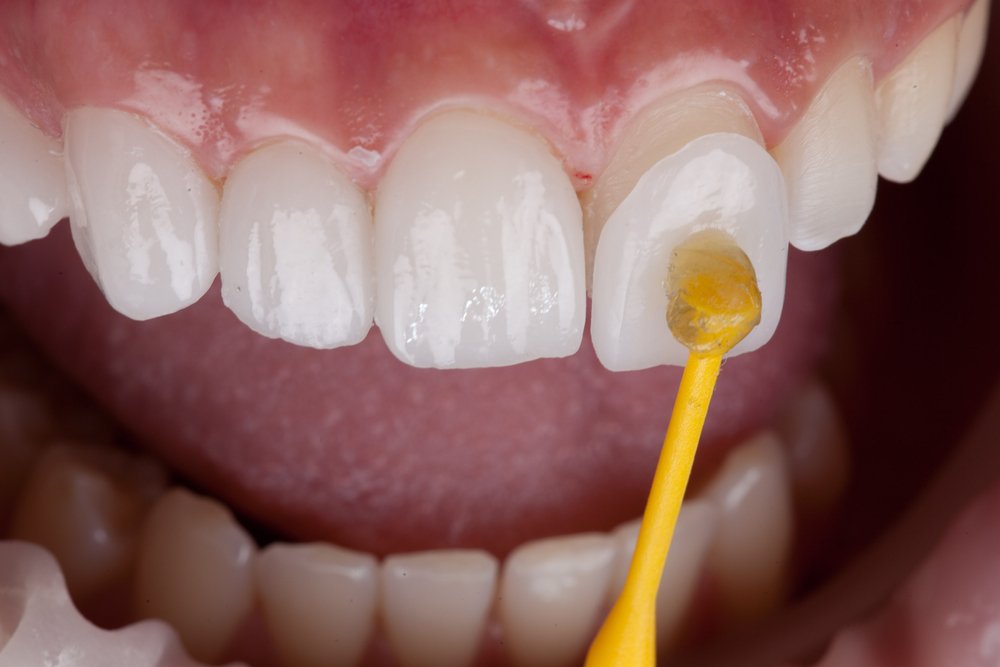
Veneers are slim shells, usually made from porcelain or composite resin, that are custom-crafted to fit over the front surface of teeth. They serve both useful and aesthetic objectives, giving an option for numerous dental blemishes such as staining, spaces, and small imbalances. By sticking to the tooth enamel, veneers produce a natural look while boosting the shape and shade of the teeth.The process usually includes a preliminary assessment, where a dental professional evaluates the person's needs and reviews desired outcomes - Dental Veneers. Following this, a very little quantity of enamel may be removed to suit the veneer. Impressions of the teeth are then required to assure an accurate fit. Once fabricated, the veneers are bound safely to the teeth making use of a special dental adhesive. This procedure not only improves the smile's look however also helps secure the underlying teeth from more damage, making veneers a prominent selection for several seeking a smile remodeling
Sorts of Veneers: Porcelain vs. Compound Resin
The difference between porcelain and composite resin veneers copyrights on their product structure and attributes. Each kind uses varying degrees of longevity, expense, and resilience, influencing patients' selections based on their individual requirements. Recognizing these differences is crucial for making an informed decision regarding oral enhancements.Product Distinctions Discussed
While both porcelain and composite material veneers offer the very same cosmetic objective, they vary greatly in material residential or commercial properties, resilience, and aesthetic outcomes. Porcelain veneers are crafted from a ceramic product that imitates the natural translucence of teeth, offering a natural look. Their smooth surface area is resistant to staining, making them an appealing alternative for those seeking a lasting visual. In contrast, composite resin veneers are made from a tooth-colored plastic material, using convenience and ease of application. They may not attain the very same degree of brightness or translucency as porcelain. Additionally, composite veneers can be much more conveniently shaped and repaired, making them a more adaptable choice in particular oral circumstances. Each type presents distinct advantages tailored to specific choices.Long life and Sturdiness
Longevity and toughness are substantial factors when contrasting porcelain and composite resin veneers. Porcelain veneers are known for their stamina, typically long lasting 10 to 15 years with proper treatment. Their durability versus breaking and discoloring makes them a favored option for people seeking lasting results. In contrast, composite material veneers typically have a shorter life-span, balancing 5 to 7 years. While they can be fixed much more easily if harmed, they are a lot more at risk to wear and staining with time. The choice between these products commonly depends upon the individual's lifestyle, aesthetic objectives, and maintenance preferences. Ultimately, comprehending the differences in long life and durability can lead individuals in picking the veneer type that best fits their needs.Price Comparison Insights
Price is an essential factor to consider when selecting in between porcelain and composite resin veneers. Porcelain veneers normally vary from $800 to $2,500 per tooth, reflecting their sturdiness, aesthetic charm, and resistance to discoloration. These veneers call for a much more substantial procedure and specialized lab work, adding to their higher rate tag. On the other hand, composite material veneers are normally much more inexpensive, costing between $250 and $1,500 per tooth. They can be used in a solitary go to, which minimizes labor expenses. Nonetheless, composite veneers might require much more frequent replacements, potentially raising long-lasting costs. Inevitably, the option between porcelain and composite resin veneers depends upon private spending plans and wanted end results, stabilizing first expenses versus longevity and aesthetic outcomes.The Advantages of Finding Veneers for Your Smile
Picking veneers uses significant benefits for those seeking an enhanced smile. Their improved visual charm can change the look of teeth, while their stain-resistant residential or commercial properties ensure a long lasting brightness - Porcelain Veneers. This combination makes veneers a popular alternative for people looking to attain a remarkable smileBoosted Visual Charm
Veneers often emerge as a favored option due to their transformative visual benefits when individuals look for to boost their smiles. These slim shells, typically made of porcelain or composite material, can properly hide blemishes Veneers Teeth such as chips, spaces, and misalignment. By imitating the all-natural appearance of teeth, veneers give a smooth, radiant smile. Their customizable nature permits a customized technique, allowing people to select tones and forms that best suit their face features. Additionally, veneers can produce an uniform appearance, improving total facial balance. This aesthetic improvement not only boosts self-confidence yet can likewise positively affect social interactions and individual relationships, making veneers a prominent option for those seeking to attain a brighter, extra appealing smile.Discolor Resistance Perks
Veneers not only boost visual charm but likewise use substantial stain resistance, making them an appealing option for individuals worried about maintaining a bright smile. Composed of resilient products such as porcelain or composite material, veneers are less permeable than all-natural teeth, which helps stop the absorption of spots from typical offenders like coffee, tea, and merlot. This inherent discolor resistance enables individuals to enjoy their preferred beverages without stressing concerning discoloration. Dental Veneers. Additionally, the smooth surface area of veneers makes them easier to clean, additional enhancing their long life and preserving their immaculate appearance. Because of this, veneers give a useful solution for those looking for both charm and functionality in their oral careThe Process of Getting Veneers: What to Anticipate

The process of getting veneers may appear intimidating, comprehending the actions included can relieve concerns. An appointment with a dental expert is required to determine if veneers are the proper option for the person's dental concerns. Throughout this visit, the dental practitioner will certainly talk about preferred results and take perceptions of the teeth.
Next, a 2nd consultation is set up for tooth preparation, where a percentage of enamel is generally gotten rid of to suit the veneers. Short-lived veneers might be placed while the custom ones are crafted in an oral lab, which normally takes a number of weeks.
Once prepared, the dentist will certainly place the veneers, guaranteeing appropriate fit and color prior to bonding them to the teeth making use of a special adhesive. After final modifications, the dental practitioner will provide support on treatment. Recognizing these steps can assist individuals really feel more comfortable and notified throughout the veneer process.
Upkeep and Look After Your Veneers
Preserving veneers calls for consistent like ensure their long life and look. Appropriate oral hygiene is important; cleaning twice daily with a non-abrasive toothpaste and flossing routinely assist stop plaque buildup around the veneers. Additionally, routine oral examinations are crucial for keeping track of the condition of the veneers and addressing any type of potential problems at an early stage.Individuals need to avoid difficult foods and excessive force when biting to avoid damage. It's also a good idea to limit intake of tarnishing compounds, such as coffee, tea, and red white wine, as these can impact the veneers' shade gradually.
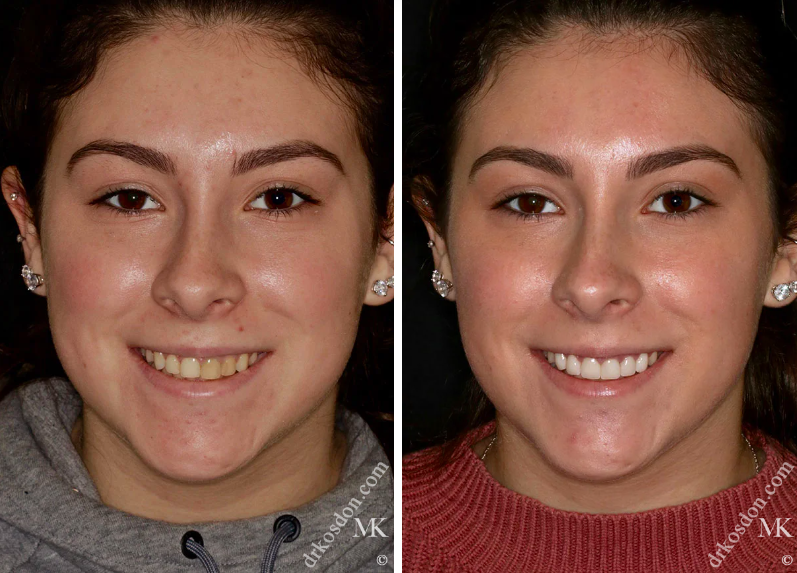
Transforming Your Smile: Real-Life Effect of Veneers
A glowing smile can substantially improve one's confidence and total look. For several individuals, veneers work as a transformative service, efficiently attending to different oral worries such as discoloration, voids, and misalignment. These thin shells, personalized to fit over the front of the teeth, can produce a harmonious and cosmetically pleasing smile.Real-life instances illustrate the extensive impact veneers can have. People often report an instant increase in self-esteem and social communications following their treatment. The newfound self-confidence can result in more possibilities in professional and personal life, as individuals feel even more likely to involve and express themselves.
Furthermore, the emotional advantages extend beyond simple appearance; several experience enhanced psychological health as they accept their smiles. Veneers not just improve physical qualities however also contribute considerably to total top quality of life, underscoring their worth in cosmetic dental care.
Often Asked Concerns
The Length Of Time Do Veneers Typically Last Prior To Requiring Substitute?
Veneers commonly last in between 10 to 15 years prior to needing substitute. Elements such as dental hygiene, oral routines, and the sort of product made use of can affect their longevity and general toughness. Routine dental examinations are advisable.Can Veneers Be Gotten Rid Of, and if So, Just how?
Yes, veneers can be gotten rid of. A dentist typically utilizes customized devices to thoroughly separate them from the teeth, ensuring minimal damage to the underlying enamel, usually adhered to by necessary adjustments or remediations for ideal looks.Are Veneers Suitable for Everybody's Oral Condition?
Will Getting Veneers Hurt or Require Anesthetic?
Obtaining veneers usually entails minimal discomfort, and numerous clients get local anesthesia to ensure a pain-free experience. Level of sensitivity may occur briefly afterward, however many locate the procedure bearable and are pleased with the outcomes.Exactly How Do Veneers Affect Tooth Sensitivity After Placement?
Veneers can briefly increase tooth level of sensitivity because of the removal of enamel and the bonding procedure. Most individuals experience a reduction in sensitivity gradually as the teeth readjust to the brand-new veneers.Veneers are thin coverings, commonly made from porcelain or composite material, that are custom-crafted to fit over the front surface of teeth. Porcelain veneers are crafted from a ceramic product that resembles the natural transparency of teeth, giving a lifelike appearance. Porcelain veneers typically vary from $800 to $2,500 per tooth, mirroring their longevity, visual charm, and resistance to staining. In contrast, composite material veneers are usually a lot more budget-friendly, setting you back in between $250 and $1,500 per tooth. Composed of resilient products such as porcelain or composite resin, veneers are much less permeable than natural teeth, which aids prevent the absorption of stains from typical perpetrators like coffee, tea, and red wine.
Report this wiki page